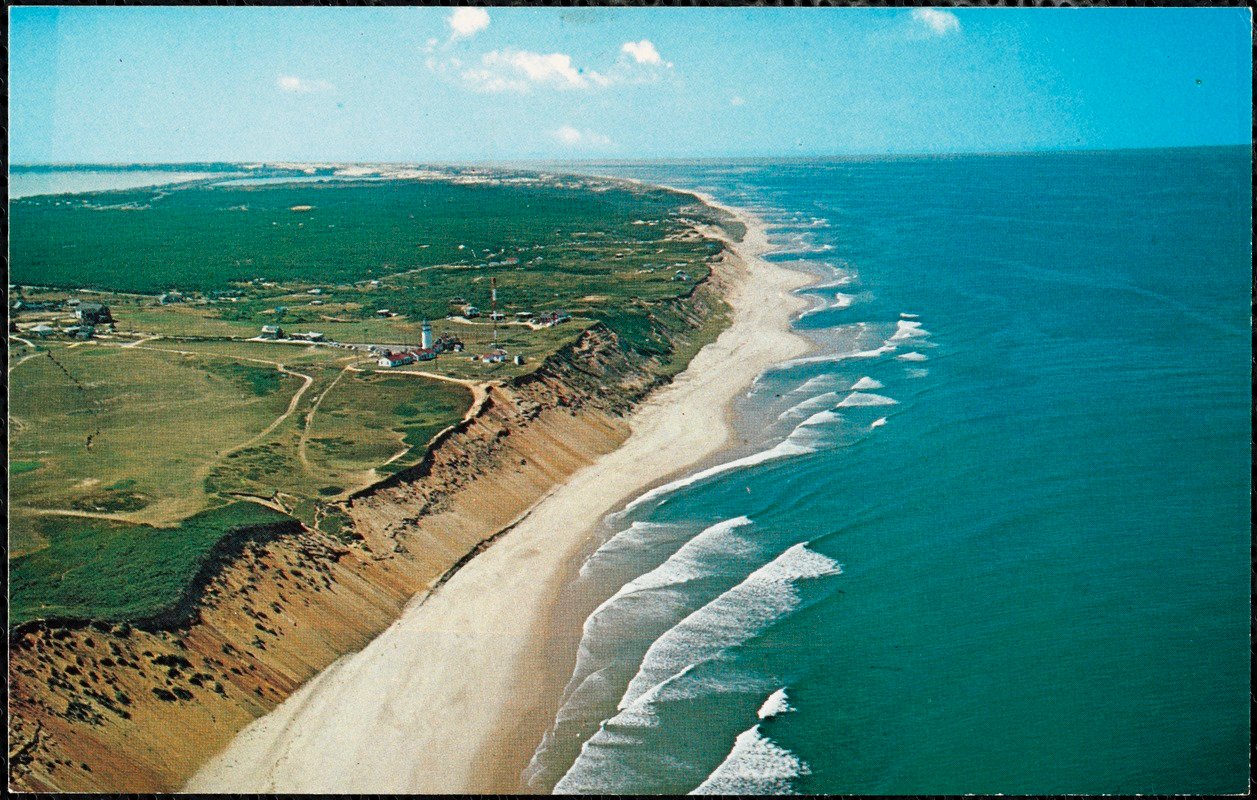
When you sink your toes into the soft sand of Cape Cod, you’re literally touching history — tens of thousands of years of it. But Cape Cod isn’t just a pretty coastal destination; it’s a remarkable geological story, left behind by the glaciers of the last Ice Age.
During the last glacial period, massive ice sheets advanced over much of what is now New England. These glaciers acted like slow-moving bulldozers, scraping the land, picking up rocks and soil, and transporting them hundreds of miles. As the glaciers melted, they left behind piles of sediment, creating the ridges, hills, and sandy plains that make Cape Cod so distinct.
The Landforms: Moraines and Outwash
Much of Cape Cod’s shape is due to moraines — ridges formed by sediment pushed by the glacier’s edge. These create rolling hills, gentle rises, and the backbone of many towns across the Cape.
Meanwhile, meltwater from the glaciers spread sands and finer sediment across lower areas, creating outwash plains. This is why the Cape is so sandy, and why its beaches, dunes, and harbors have the unique texture and feel that make them instantly recognizable.
Why Cape Cod Sand is So… Cape Cod
The combination of glacial outwash and coastal erosion gives Cape Cod its iconic sand. It’s soft, light-colored, and endlessly shifting — perfect for beachcombing, long walks, and summer fun. But every grain is essentially a leftover from a massive ice sheet that once carved the region.
Walking the beaches or hiking coastal trails is like stepping into a living history of the Earth, where glaciers left their mark on every dune, ridge, and shoreline.
More Than Just Beaches
While the sand gets the most attention, Cape Cod’s glacial history also explains the region’s ponds, kettle holes, and marshes. These depressions were left when chunks of ice melted slowly, forming the freshwater ecosystems that add to the Cape’s charm and natural diversity.
From dramatic coastlines to hidden freshwater ponds, every corner of Cape Cod tells the story of ice, time, and the slow artistry of nature.
Explore Cape Cod’s Glacial Legacy
Next time you stroll a beach or hike a trail, remember: Cape Cod is a landscape shaped by ancient forces, a testament to the glaciers that once ruled this region. Its sand, hills, and ponds are not just scenic—they are the leftovers of a dramatic Ice Age, still shaping life on the Cape today.