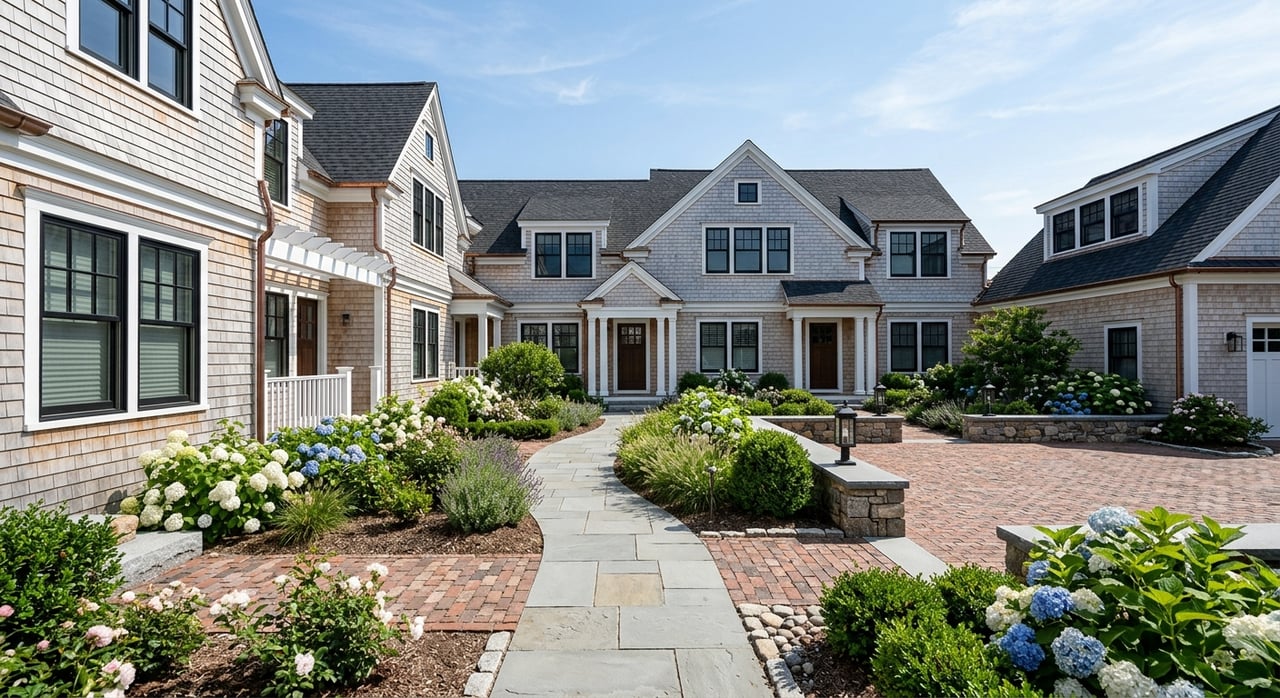
If you want a Cape Cod home base without as much exterior upkeep, condo and townhome living in Orleans may be worth a close look. For many buyers, the appeal is simple: easier ownership, strong access to beaches and village amenities, and a property type that can fit both year-round and seasonal use. If you are weighing convenience, lifestyle, and long-term costs, this guide will help you understand how condo and townhome living works in Orleans. Let’s dive in.
Why Orleans attracts condo buyers
Orleans offers a mix of coastal access, village convenience, and a housing market shaped by both year-round residents and seasonal owners. According to the Cape Cod Commission’s April 2026 housing profile, about 43% of homes in Orleans are used seasonally, recreationally, or occasionally, and 21% of the housing stock is multifamily. That context helps explain why attached, lower-maintenance homes are an important part of the local market.
The lifestyle draw is often location first. Orleans has town beaches with official beach information that includes tide charts, sticker details, webcams, and rules, and the Cape Cod Rail Trail includes Orleans Center as a trail parking location. The Orleans Cultural District also adds a walkable arts-and-culture setting centered around galleries, boutiques, and performing arts.
For many buyers, that combination supports a practical kind of Cape Cod ownership. You can spend less time thinking about yard work and exterior projects and more time enjoying the town itself.
What condo and townhome mean in Massachusetts
One of the biggest misconceptions buyers have is assuming a townhouse is always a different legal setup from a condo. In Massachusetts, that is not always true. A home that looks like a townhouse may still be legally owned as a condominium.
Under Massachusetts guidance, condos can include multi-unit buildings, converted houses, vacation condos, condexes, and attached homes such as townhouses. That means the exterior style does not tell you everything. The ownership structure, rights, and restrictions come from the recorded condominium documents.
In practical terms, you should pay more attention to the master deed, bylaws, rules, and unit deed than to the building style alone. Those documents control how the community operates and what ownership really looks like.
Why attached homes fit Orleans
Orleans has planning and zoning patterns that support more compact housing in and around its village core. The town’s housing profile identifies one Community Activity Center focused around Route 28 and Route 6A in downtown Orleans, and the Downtown Housing Overlay District is designed to support year-round infill housing, mixed use, and a more walkable commercial core.
The same profile notes that Orleans allows two or more units by right through much of town and three or more units by right in downtown. The Downtown Housing Overlay District, approved in late 2025 and by the Attorney General in early 2026, adds mixed-use and missing-middle standards and requires a year-round occupancy share in new projects.
For buyers, that often translates into smaller-scale associations rather than large amenity-heavy complexes. In Orleans, condo and townhome living is usually more about efficient ownership and location than resort-style features.
The biggest lifestyle benefits
The strongest benefit for many buyers is low-maintenance living. Depending on the association, exterior upkeep, shared grounds, and some building maintenance may be handled through the condo structure rather than by you alone.
That setup can work especially well if you want a second home or a simpler year-round property. It can also be appealing if you prefer a lock-and-leave lifestyle and do not want the full workload that often comes with a standalone house.
Location is another major advantage. In Orleans, condo and townhome communities can place you closer to downtown activity, beach access, and the Rail Trail, giving you an easier way to enjoy the town without the same level of property management.
The trade-offs to understand
The convenience of condo living comes with shared rules and shared financial responsibilities. You are not only buying a unit. You are also buying into an association structure with budgets, policies, and decision-making that affect your day-to-day ownership.
That means you may have less exterior responsibility, but you also have less individual control over certain property decisions. Rules on pets, parking, smoking, storage, rentals, and renovations may shape whether a specific unit truly fits your goals.
This is why document review matters so much in Orleans. Many communities are smaller and more association-specific, so the fine print can have a real effect on how you use the property.
How condo fees and common expenses work
In Massachusetts, common expenses are assessed at least annually based on the association budget and governing documents. These costs may cover shared maintenance, operations, and reserve funding for future repairs and capital needs.
It is also important to know that unpaid assessments can become a lien on the unit under Massachusetts law. In some cases, certain expenses tied to limited common areas or owner-caused issues may be charged to one owner rather than spread across the full association.
For a buyer, the monthly fee is only part of the picture. You also want to understand how well the association plans ahead, whether reserves appear adequate, and whether large projects may create future special assessments.
Insurance and ownership details to review
Insurance is another area where buyers should slow down and ask questions. State condo guidance explains that the master policy generally covers common areas and certain building elements, while the unit owner typically needs separate coverage for what the master policy does not cover.
That division matters because many buyers assume the association policy covers everything. It usually does not. You will want your insurance professional, lender, and attorney to review the details early so you know what coverage you need.
Some Massachusetts condo documents may also include a right of first refusal. That is one more reason to review the condo package early in the process rather than waiting until the last minute.
Questions to ask before you buy
A smart condo purchase in Orleans starts with careful due diligence. Because Massachusetts places control in the recorded documents rather than through a separate condo regulator, you need to read the association materials closely.
Ask for these items before you get too far into the process:
- Master deed
- Bylaws
- Rules and regulations
- Current budget
- Reserve information
- Recent financial report
- Insurance certificate
- Minutes from recent meetings
These records can help you spot practical issues that are easy to miss during a showing. Look closely at topics like:
- Parking and guest parking
- Exterior maintenance responsibility
- Storage rights
- Pet policies
- Smoking rules
- Rental restrictions
- Renovation approval procedures
- Planned capital projects or special assessments
Rental rules in Orleans
If rental flexibility matters to you, do not assume a condo unit can be rented just because it is in a seasonal market. In Orleans, all property rentals except hotels, motels, and inns must be registered with the town before they are rented.
The registration form asks for details including bedroom and unit counts, plus smoke and carbon-monoxide detector information. At the same time, town registration does not override the condominium’s own rental restrictions.
In other words, both layers matter. The town’s rules and the condo documents each play a role, and the bylaws control whether short-term or seasonal rentals are actually allowed within that association.
Smoking, pets, and day-to-day rules
Lifestyle rules can have a real impact on your enjoyment of a property. In Massachusetts condominiums, indoor common areas must already be smoke-free, and trustees may adopt outdoor no-smoking rules with warnings and fines.
Pet rules are also association-specific, so you should confirm them in writing if an animal is part of your household plans. The same goes for renovation procedures, use of common areas, and any limits on guest stays or occupancy practices.
These are not minor details. They shape how comfortably you can live in and use the home.
Orleans costs and market context
Budgeting in Orleans means looking beyond the list price. The Cape Cod Commission’s 2026 Orleans housing profile reports a 2025 median home sales price of $955,500, and the Town of Orleans lists a FY26 residential tax rate of $6.11 per $1,000 of assessed value.
Those figures do not tell you exactly what any one condo or townhome will cost, but they do help frame the local market. You should consider purchase price, monthly condo fees, taxes, insurance, and the possibility of future assessments together.
That full-picture approach is especially helpful if you are comparing a condo to a single-family home in the same area. Sometimes the easier upkeep is worth the trade. Sometimes the total carrying costs point you in a different direction.
Who condo living may suit best
Condo and townhome living in Orleans can be a strong fit if you want a Cape Cod property that is easier to manage. That may include second-home buyers, year-round buyers looking for simpler upkeep, and investors who are comfortable reviewing local and association rules carefully.
It can be especially appealing if your priority is access to beaches, downtown amenities, and the Rail Trail rather than a large private lot. It may also suit buyers who value a more lock-and-leave style of ownership.
The best fit depends on your goals. The key is finding a community whose rules, budget, and location align with the way you want to use the property.
Final thoughts on Orleans condo living
Condo and townhome living in Orleans is best understood as a balance of convenience and structure. You may gain lower-maintenance ownership and strong access to the parts of Orleans that people love most, but you also take on shared rules, shared financial planning, and the need for careful document review.
If you approach the search with clear priorities and strong due diligence, this property type can be a smart way to enjoy Cape Cod with fewer ownership demands. And when you want local guidance on how a specific Orleans community fits your goals, Shane Masaschi can help you evaluate the details with a concierge-level approach.
FAQs
What is the difference between a condo and a townhome in Orleans?
- In Orleans, a townhome-style property may still be legally owned as a condominium, so you need to review the master deed, bylaws, and other recorded documents instead of relying on exterior appearance alone.
What do condo fees usually cover in an Orleans condo association?
- Condo fees generally support common expenses such as shared maintenance, operations, and reserve funding, based on the association budget and governing documents.
Can you rent out a condo or townhome in Orleans?
- Maybe, but only if the condo documents allow rentals and the property is properly registered with the Town of Orleans before it is rented.
What documents should buyers review for an Orleans condo purchase?
- Buyers should ask for the master deed, bylaws, rules and regulations, current budget, reserve information, recent financial report, insurance certificate, and recent meeting minutes.
What should second-home buyers watch for in an Orleans condo community?
- Second-home buyers should pay close attention to parking, insurance responsibilities, annual assessments, reserve strength, and the possibility of future special assessments.
Are Orleans condos a good option for low-maintenance Cape Cod living?
- They can be, especially if you want easier exterior upkeep, lock-and-leave convenience, and access to Orleans beaches, downtown, and the Cape Cod Rail Trail.