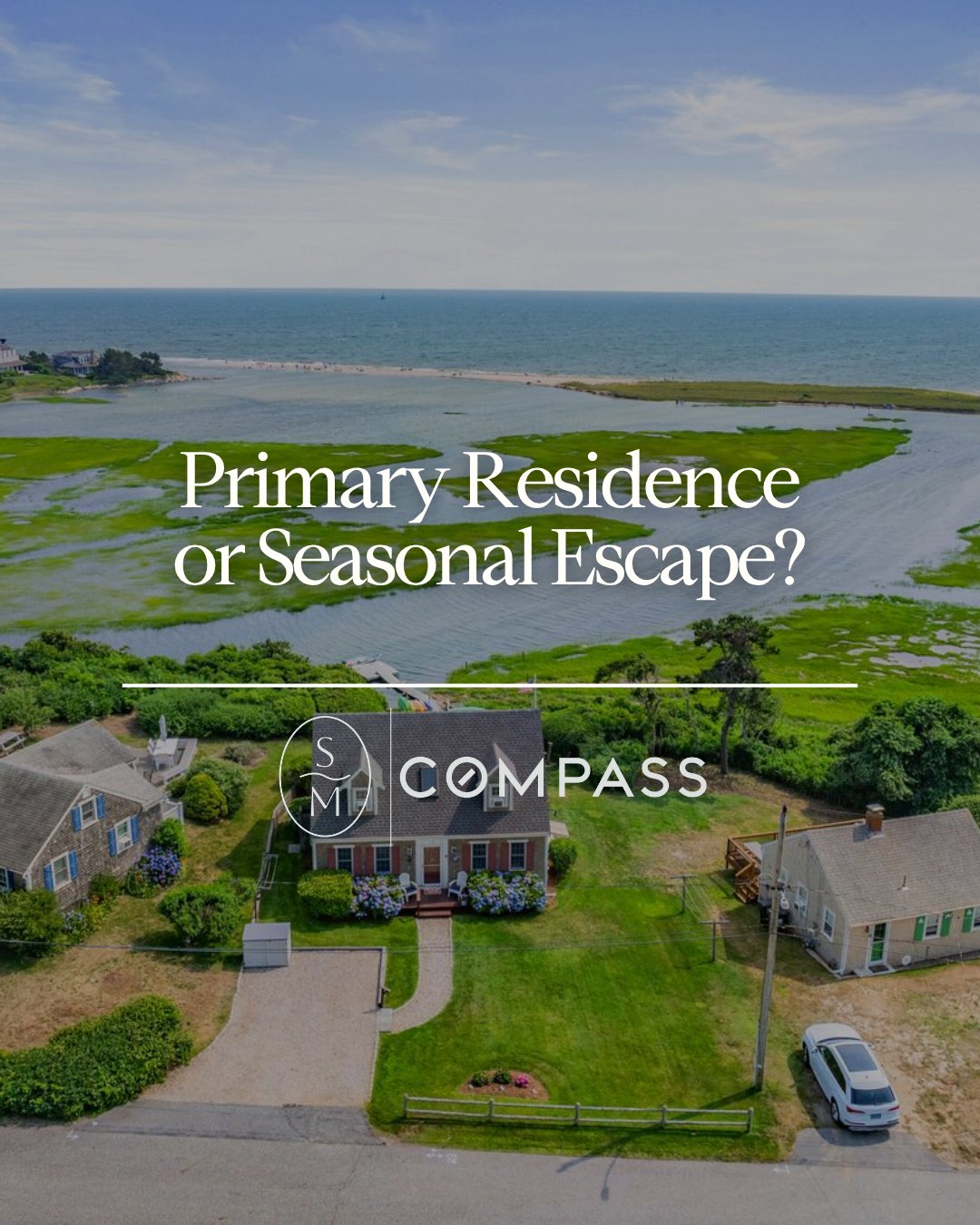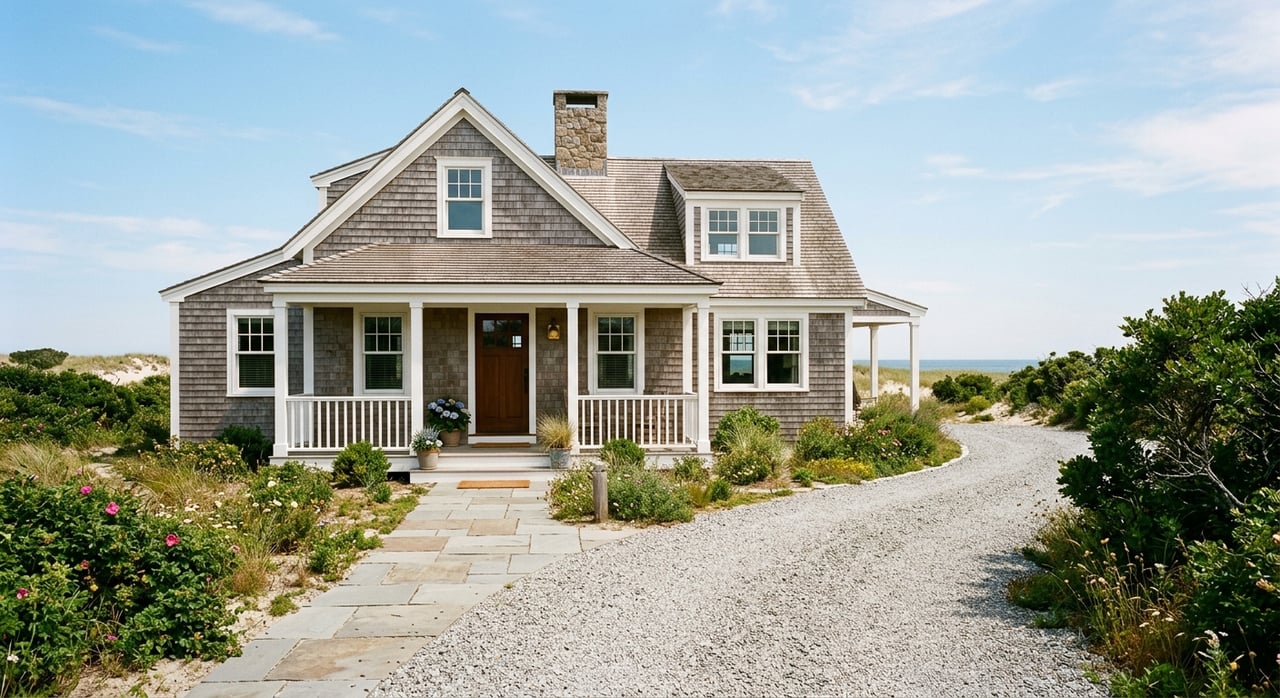
If you are dreaming about a beachside home in Harwich, the biggest question is not just how close you are to the water. It is which kind of coastal setting fits the way you want to live, visit, or invest on Cape Cod. In Harwich, your options range from a walkable village and harbor area to classic south-side beach roads to a quieter freshwater cottage pocket. This guide will help you compare those settings, understand beach access, and narrow in on the part of town that feels right for you. Let’s dive in.
Harwich Beachside Areas at a Glance
Harwich sits on the south side of Cape Cod and has a long shoreline along Nantucket Sound. The town is divided into seven villages, with South Harwich, Harwich Port, and West Harwich identified in town planning materials as the denser and more seasonal villages.
For many buyers, that means your search is really about choosing between three different settings. You may prefer a village-centered area near the harbor, a traditional network of beach streets with larger public access points, or a more laid-back freshwater environment around Long Pond.
Harwich Port: Village and Beach Together
Harwich Port is often the best fit if you want a beach area with a strong village feel. Historic records show that settlement grew between Allen's Harbor and Bank Street after Route 28 was laid out in 1804, with downtown developing around roads, fishing, and access to Nantucket Sound.
That history still shapes the neighborhood today. In practical terms, Harwich Port offers a combination of shoreline access, village streets, and a more central feel than some other beach pockets in town.
Ocean Grove's Cottage Character
Within Harwich Port, Ocean Grove stands out for its preserved street pattern and smaller-scale cottage setting. The area is bounded by Ocean, Park, Pine, and Atlantic streets, and many of its cottages were built during the 1886 to 1910 camp era and later between 1910 and 1928.
The housing forms described in the heritage inventory include small Victorian, Shingle, and Colonial Revival cottages on tight lots. If you are drawn to older seasonal architecture and a close-knit beach-road layout, this is one of the most distinct settings in Harwich.
Bank Street Beach Access
Bank Street Beach is one of the practical anchors for this part of town. According to the town's beach information, it has 60 parking spaces and offers daily sticker sales.
For a buyer, that matters because it supports occasional beach use without needing to rely only on tiny neighborhood access points. If you picture walking into the village, being near the harbor edge, and still having a recognizable public beach nearby, Harwich Port deserves a close look.
West Harwich: Broader Beach Road Network
West Harwich has a different feel from Harwich Port. The heritage report notes that the village grew near the Dennis line and the Herring River beginning in 1723, and it includes many of Harwich's earliest houses, including sea captains' homes.
For buyers, West Harwich can feel older and more spread out, with a broader coastal street network. It often appeals to people who want strong beach access options and a more traditional south-side neighborhood pattern.
Red River, Pleasant Road, and Earle Road
This part of Harwich is anchored by several larger public beaches. Red River Beach has 198 parking spaces, Pleasant Road has 92, and Earle Road has 88.
That concentration of larger access points is helpful if beach convenience is high on your list. It also makes West Harwich easier to understand from a lifestyle standpoint because you are not relying only on very small lane-end or walk-in beach entries.
Smaller Access Points Nearby
West Harwich also includes smaller nearby access points such as Belmont Road, Gray Neck Road, Brooks Road, Atlantic Avenue, Sea Street, Merkel Beach, and Neel Road. Some of these are mapped without parking.
That mix gives the area layers. You have larger beaches for easier daily use and smaller neighborhood-scale access points that may shape the feel of nearby streets.
South Harwich: Quieter and Smaller-Scale
South Harwich centers around the Route 28 intersections with Chatham Road and Depot Road. The heritage report describes it as more sparsely developed than the other Route 28 villages and notes early farmhouses and homes tied to Harwich's maritime past.
For buyers, that often translates into a quieter roadside setting and a smaller-scale beach pattern. If you do not need a busy village core and prefer a lower-key environment, South Harwich may be worth exploring.
Beach Access in South Harwich
The town's 2026 beach brochure lists Sea Street Beach with just 2 parking spaces and Atlantic Avenue with 11. That is a very different access pattern from beaches like Red River.
This does not make South Harwich less appealing. It simply means the beach experience here is more neighborhood-oriented, and buyers should think carefully about how often they expect to drive to the beach versus walk, bike, or use larger beaches elsewhere in town.
Long Pond: Harwich's Freshwater Alternative
Not every beachside buyer in Harwich wants saltwater frontage or Nantucket Sound access. Long Pond offers a very different setting and is Harwich's freshwater counterpart to the south-side shore.
MassWildlife describes Long Pond as the largest freshwater pond on Cape Cod. Its shoreline includes houses, seasonal cottages, and beaches, which creates a lifestyle that feels distinct from the village and ocean-road areas.
Long Pond Lifestyle
The 2026 beach brochure lists Long Pond beach with a boat ramp, a non-motorized craft launch, swimming lessons, 40 parking spaces, and daily pass sales. Those features can be especially appealing if your ideal summer routine includes paddling, swimming, and easy freshwater recreation.
The heritage inventory also identifies a Long Pond Cottage Colony on Sequattom Road with small cottages dating from roughly 1915 to 1940. That suggests a more compact cottage setting than the village-centered areas near Nantucket Sound.
How to Choose the Right Harwich Setting
The best neighborhood for you depends on how you want to spend time at the property. In Harwich, the choice is often less about town lines and more about day-to-day use.
Here is a simple way to frame your search:
- Choose Harwich Port if you want a walk-to-village harbor pocket with beach access and a more central setting.
- Choose West Harwich if you want a broader beach-road network, larger public beach access points, and a more traditional south-side coastal layout.
- Choose South Harwich if you want a quieter setting with smaller-access beaches and less of a village-core feel.
- Choose Long Pond if you prefer a freshwater lifestyle with cottages, pond access, and a different pace from the Nantucket Sound side.
Beach Parking and Permit Details to Know
Beach access is one of the most important practical details for Harwich buyers. As of 2026, Harwich requires a valid beach sticker or day pass for parking through Labor Day, and vehicle registration plus proof of residency are required.
Resident and taxpayer stickers are $35 per vehicle. Nonresident permits are $175 for the season, $75 for one week, and $140 for two weeks, while daily passes are $30.
Daily passes are sold at Red River, Earle Road, Pleasant Road, and Long Pond, and Bank Street lists daily sticker sales. In real life, that makes the larger beaches easier for occasional use, while the smallest beach access points function more like neighborhood-scale entries.
What Buyers Should Watch For
When you compare Harwich beachside neighborhoods, it helps to look beyond the listing photos. The street pattern, parking access, and type of shoreline area can shape your ownership experience as much as the house itself.
As you narrow your options, consider these questions:
- Do you want to walk to village shops and the harbor, or is that not a priority?
- Will you use larger public beaches often, or are smaller access points enough?
- Do you prefer a historic cottage setting, a broader residential street network, or a freshwater environment?
- Is your home mainly for summer use, occasional getaways, or longer stays?
These answers can help you focus on the right part of Harwich before you get too attached to one property.
If you are comparing Harwich Port, West Harwich, South Harwich, or Long Pond, a local strategy matters. Each area offers a different version of Cape Cod living, and the best fit usually comes from matching the neighborhood pattern to your goals, not just the map pin. When you want a clear, high-touch approach to buying or selling on Cape Cod, Shane Masaschi can help you evaluate the options with local insight and concierge-level guidance.
FAQs
What makes Harwich Port different from other Harwich beach areas?
- Harwich Port combines beach access with a stronger village and harbor setting, and historic records show it developed around Allen's Harbor, Bank Street, and access to Nantucket Sound.
What are the main beach neighborhoods in West Harwich?
- West Harwich includes areas around Red River Beach, Pleasant Road, and Earle Road, along with smaller access points such as Belmont Road, Gray Neck Road, Brooks Road, and Neel Road.
Is South Harwich a quieter beachside option in Harwich?
- Yes. The heritage report describes South Harwich as more sparsely developed than the other Route 28 villages, with a smaller-scale beach access pattern.
Does Long Pond count as a beach lifestyle in Harwich?
- Yes. Long Pond offers a freshwater beach setting with shoreline homes, seasonal cottages, beach areas, and a boat ramp and launch access.
How does beach parking work in Harwich?
- Harwich requires a beach sticker or day pass for parking through Labor Day, and the town lists daily pass sales at Red River, Earle Road, Pleasant Road, Long Pond, and daily sticker sales at Bank Street.
Which Harwich beach area is best for larger public beach access?
- Based on the town's beach parking counts, West Harwich offers some of the largest public access points, including Red River Beach, Pleasant Road, and Earle Road.