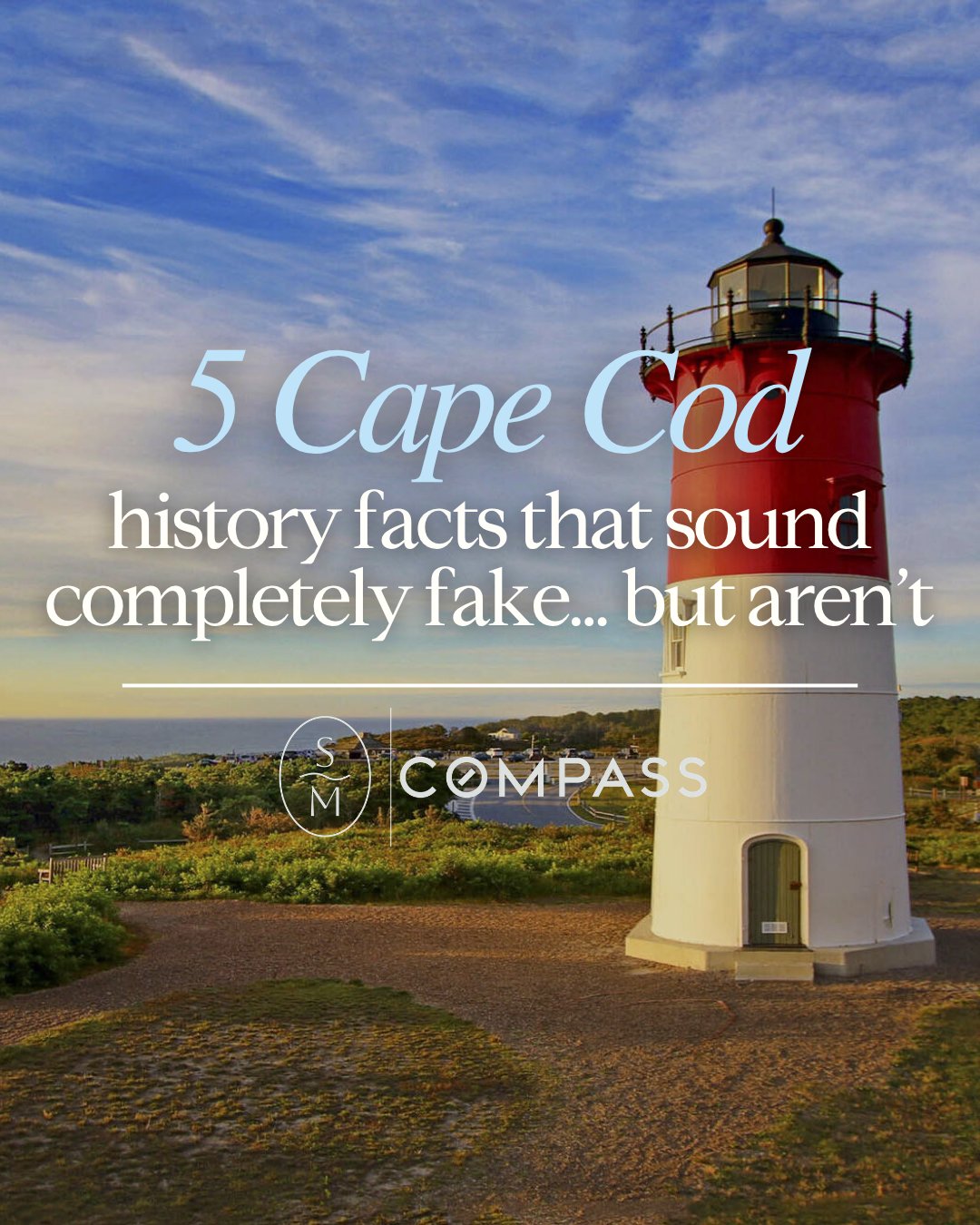
Cape Cod is famous worldwide for its serene beaches, cedar shingle homes, and vibrant village centers. But beneath its peaceful, picturesque landscape lies a wild, incredible history filled with dramatic events that sound like pure fiction. From wartime attacks on our shores to sunken pirate treasure, the peninsula has played a central role in pivotal moments throughout American history. Here are five Cape Cod history facts that sound completely made up, along with where you can go to see the evidence for yourself.
1. A German U-boat Attacked Cape Cod in 1918
During World War I, the European war front reached the shores of New England in a very direct way.
The History: In July 1918, German submarine U-156 surfaced off the coast of Orleans and opened fire on a tugboat and its barges. Shells from the submarine actually landed directly on Nauset Beach, making it the only spot on American soil to receive enemy fire during the entire first World War.
See It Yourself: Visit Nauset Beach in Orleans and look for the official historic marker commemorating the famous Attack on Orleans.
2. A Real Pirate Ship Sank Right Off Wellfleet
Pirate legends are not just tropical tales from the Caribbean; they are rooted directly in Cape Cod waters.
The History: In April 1717, the Whydah, a fully loaded pirate ship captained by the legendary Samuel "Black Sam" Bellamy, wrecked in a fierce storm off the coast of Wellfleet. The wreck was later discovered underwater, yielding thousands of authenticated pirate artifacts and genuine silver treasure.
See It Yourself: Explore authentic recovered treasure and artifacts at the Whydah Pirate Museum, located at 674 Route 28 in West Yarmouth.
3. The Pilgrims Landed on Cape Cod BEFORE Plymouth
While Plymouth Rock receives most of the national fame, the Pilgrims actually made land first right on the tip of our peninsula.
The History: The Mayflower anchored in Provincetown Harbor in November 1620, weeks before sailing across the bay to Plymouth. While anchored off Provincetown, the passengers drafted and signed the historic Mayflower Compact.
See It Yourself: Visit the Pilgrim Monument and Provincetown Museum at 1 High Pole Hill Road in Provincetown to stand where history began.
4. A 1626 Shipwreck Disappeared for Over Two Centuries
The shifting sands of Cape Cod's outer beaches have a way of swallowing history and giving it back centuries later.
The History: The Sparrow Hawk wrecked near present day Orleans in 1626. Soon after, shifting beach dunes completely buried the vessel beneath the sand, where it remained hidden for over two hundred years until a massive storm exposed the hull in 1863.
Learn More: You can learn more about early regional shipwrecks at the Pilgrim Hall Museum at 75 Court Street in Plymouth. Be sure to check current exhibit status before visiting specifically for the wreck.
5. Cape Cod Helped Change How the World Communicated
Long before modern internet cables, the Lower Cape served as a global communications epicenter.
The History: Guglielmo Marconi built his South Wellfleet wireless station in the early 1900s, pioneering transatlantic wireless communication. That groundbreaking communications legacy continued right down the road in North Chatham at the Marconi RCA station, which played a crucial role during World War II.
See It Yourself: Tour the historic grounds at the Chatham Marconi Maritime Center, located at 847 Orleans Road in North Chatham.