A Universe in a Few Square Miles
Most people know Cape Cod for its sandy beaches, but for those who look a little closer, the peninsula is actually a collection of "micro-worlds." Because of our unique glacial history, the Cape is home to a staggering variety of ecosystems packed into a very small area. In a single 20-minute drive, you can transition from a prehistoric-feeling forest to a wind-swept desert of dunes.
1. The Salt Marshes (The Great Filters)
The salt marshes, like the iconic Great Marsh in Barnstable or Nauset Marsh in Eastham, are the "nurseries" of the Cape. These tidal wetlands filter nutrients and provide critical habitat for shellfish and shorebirds.
-
Birding Highlight: Look for Great Blue Herons, Egrets, and the elusive Saltmarsh Sparrow.
2. Kettle Ponds (Glacial Fingerprints)
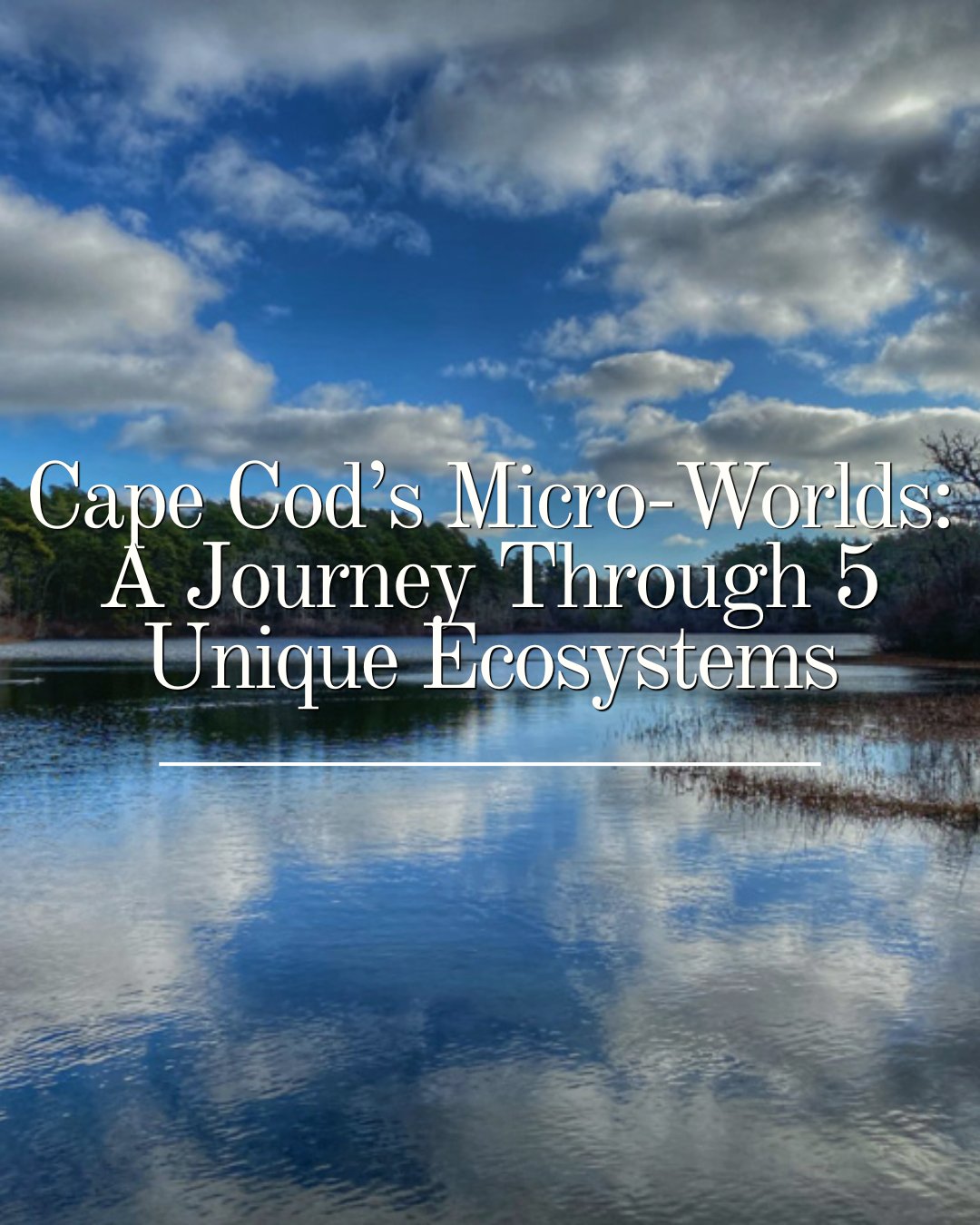
Dotted throughout the pine forests are over 1,000 kettle ponds clear, freshwater lakes formed by melting glacial ice 18,000 years ago. These ponds are "closed loops," meaning they are fed entirely by groundwater, creating a pristine habitat for rare amphibians like the Eastern Spadefoot Toad.
-
Nature Highlight: These ponds often host rare wildflowers like the pink Plymouth Gentian along their sandy shores.
3. Pitch Pine & Scrub Oak Barrens
The "spine" of the Cape is dominated by the Atlantic Coastal Pine Barrens. This is a globally rare ecosystem characterized by sandy, nutrient-poor soil and fire-adapted plants. It feels rugged, earthy, and distinctly "Old Cape Cod."
-
Nature Highlight: This is the primary habitat for local woodpeckers, owls, and nuthatches.
4. The Great Dunes
Covering nearly one-third of the National Seashore, the dunes are a masterclass in resilience. Plants here have adapted to survive salt spray, shifting sands, and relentless Atlantic winds.
-
Birding Highlight: The dunes are the nesting grounds for the Piping Plover, a success story of local conservation.
5. Coastal Scrub & Heathlands
Often found near the cliffs of the Outer Cape, these "maritime barrens" look like something out of a Scottish moor. Low-lying shrubs like bearberry and beach plum create a dense carpet that supports unique pollinators and small mammals.
Why It Matters for You
This diversity is exactly why Cape Cod is a premier stop on the Atlantic Flyway. Over 370 species of birds use these micro-worlds to rest and refuel during their long migrations.
Whether you are a serious birder or just someone who appreciates a quiet morning walk, living on the Cape means having a front-row seat to one of the most diverse natural shows on Earth. If you’re looking for a home that backs up to a specific "micro-world"—whether it's a quiet kettle pond or a vast salt marsh—I’d love to help you find your perfect vantage point.