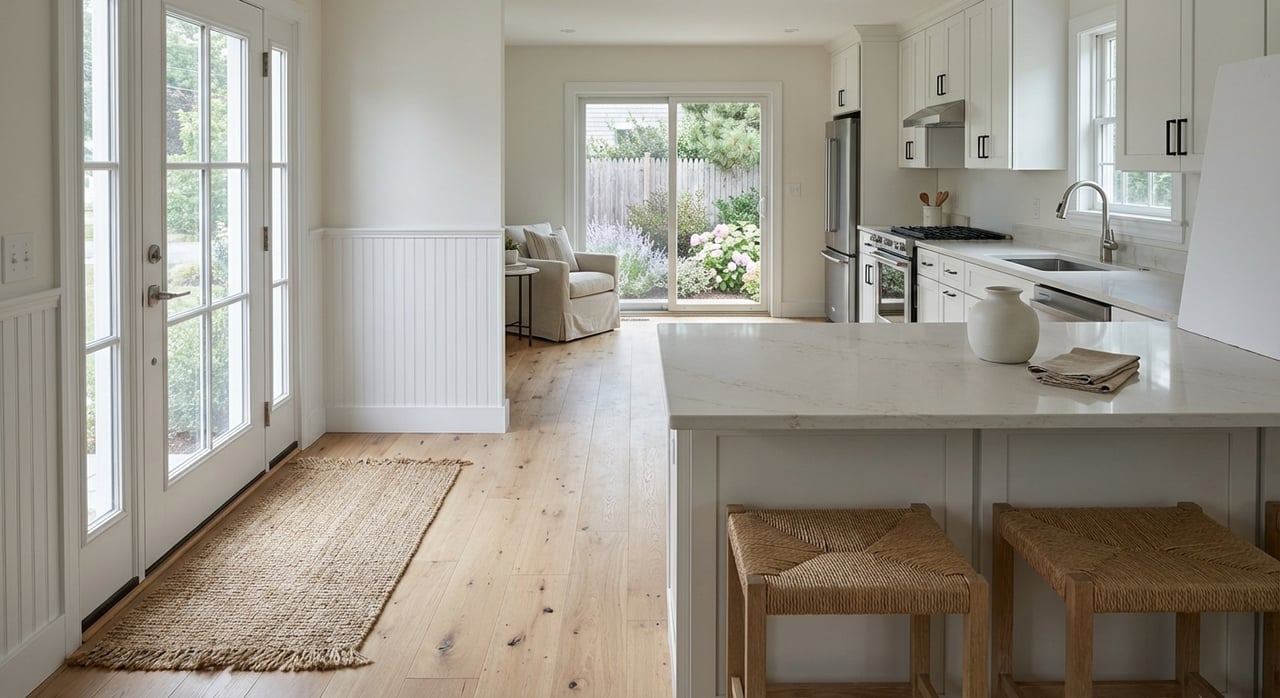
Selling a coastal home in Harwich can feel like a juggling act, especially if you live off Cape or your property doubles as a summer rental. You want to capture peak buyer interest, avoid last‑minute surprises, and present the lifestyle buyers come to Cape Cod to find. This guide walks you through the steps that matter most, from septic and permits to staging and photography, with a realistic plan you can manage from anywhere. Let’s dive in.
Pick your timing with intent
A well‑timed launch sets the tone for your entire sale. Cape Cod’s market remains price‑strong but more balanced than the frenzy of recent years. According to the Cape Cod & Islands Association of Realtors, 2025 ended with higher median prices, low months of supply, sellers receiving roughly 95 percent of list price on average, and modestly longer days on market compared with prior years. In a tight‑inventory market like this, a polished presentation still commands attention and helps you stand out. You can review the year‑end snapshot in the CCIAOR market report.
Here is how the seasonal rhythm typically plays out in Harwich:
- Spring to early summer momentum. April through mid‑June often brings strong demand from local and second‑home buyers who want to close before peak summer. A pre‑Memorial Day launch can be efficient if you prefer a faster close.
- High‑season lifestyle appeal. Mid‑June through August showcases outdoor living at its best. Listings that are turn‑key and lifestyle‑ready often shine, though showings can be harder to coordinate if your home is rented.
- Rental calendars shape logistics. Major vacation bookings happen in winter, and property managers fill their service calendars early. If you rent, plan your photo shoot and showings around these cycles. A short showing window or a few blackout dates during summer can unlock weekend open houses without disrupting guests. For practical planning cues, see the local perspective on rental scheduling from Nauset Rental.
The takeaway: choose your window first, then build a vendor schedule backward from launch. Your agent can sequence inspections, minor updates, staging, and photography to meet that date.
Start with inspections and documents
Getting your due diligence out of the way reduces negotiation risk and keeps your timeline clean. Here is what to prioritize in Harwich.
Title 5 septic inspection
If your home has a septic system, Massachusetts Title 5 rules apply when you sell. In most cases, a septic inspection must be completed within two years before the transfer. If winter conditions prevent inspection at the time of sale, it generally must be completed within six months after. Ordering a Title 5 inspection before you list helps you price and plan repairs without last‑minute stress. Review the state guidance on timing and exemptions in the MassDEP Title 5 overview.
- Local help and planning. Harwich provides septic resources and department contacts on its Septic Systems and Title 5 page. If your system needs repair or upgrade, check the town’s wastewater planning for Pleasant Bay and related areas. Understanding those timelines can inform your options and budget. Explore Harwich’s wastewater planning materials.
Pre‑listing whole‑house inspection
A seller‑initiated inspection gives you a clear picture of roof, systems, and major components. This lets you handle high‑ROI fixes on your schedule and present buyers with a transparent disclosure packet that builds confidence. Pre‑list inspections commonly reduce renegotiation and delays. Learn how sellers use them in this pre‑listing inspection guide.
Lead‑based paint disclosure for pre‑1978 homes
Federal law requires sellers of most housing built before 1978 to provide buyers with the EPA pamphlet, disclose known lead information, share existing reports, and offer buyers a 10‑day opportunity to test for lead unless they waive it. Include these materials in your listing packet. Get the details from the EPA’s lead disclosure page.
Gather a clean document set
Assemble a digital folder your agent can share with buyers and their lenders or insurers:
- Deed, survey, and any site plans
- Title 5 reports, pump‑out receipts, and service records for key systems
- Appliance warranties and recent inspection reports
- Property taxes, utility averages, and rental history if used as a short‑term rental
- Any Conservation Commission Orders of Conditions, Chapter 91 licenses for waterfront structures, and permits related to shoreline work
Town departments often have helpful records on file. Your agent can request what is available and fill any gaps.
Coastal specifics buyers will check
Harwich coastal properties come with added scrutiny. Getting in front of these items smooths underwriting and speeds decision‑making.
Conservation and wetlands permitting
Work in resource areas or buffer zones, such as dunes, coastal banks, salt marsh, and land under the ocean, usually requires Conservation review under state and local rules. Unpermitted work can trigger enforcement and after‑the‑fact filings. Before you plan or represent any shoreline repairs, consult Harwich’s wetlands bylaw and contact the Conservation Office. Start with the Harwich Conservation bylaw via eCode.
Chapter 91 for docks and seawalls
Structures in or over tidelands, as well as significant seawall repairs, often require a state waterways authorization. Verify and include any existing records in your disclosure set, since lenders and insurers may ask for them. Read the MassDEP Chapter 91 overview.
Flood zones, insurance, and elevation certificates
Harwich’s Floodplain Overlay references FEMA Flood Insurance Rate Maps that define Special Flood Hazard Areas. If your property lies in a mapped SFHA and a buyer uses a federally backed mortgage, the lender will require flood insurance. Knowing your FIRM panel and whether an elevation certificate exists can help buyers estimate premiums and compare policy options. See the town’s floodplain and zoning overlay reference.
Local planning and future access
Regional projects model how roads and low‑lying areas may be affected over time. Buyers, insurers, and towns use these tools to understand longer‑term risk. Harwich participates in the Cape Cod Commission’s Low‑Lying Roads initiative, which offers 2030, 2050, and 2070 scenario outputs. Explore the Harwich low‑lying roads project page. Barnstable County also maintains educational resources on coastal processes and flood programs, including community discounts through FEMA’s Community Rating System. Visit the county’s coastal and flood resources.
Quick coastal checklist for sellers
- Identify your flood zone, note the FIRM panel, and gather any elevation certificates.
- Confirm existing Conservation approvals and Orders of Conditions for prior shoreline or site work.
- Verify any Chapter 91 licenses for docks, piers, or seawalls and keep copies ready.
- Flag shoreline repairs as permit‑sensitive and consult town staff before starting work.
Present beautifully with minimal time on site
Your first impression happens online. Strong visuals and a curated feel help buyers picture the Cape lifestyle and can reduce time on market.
Staging that focuses on lifestyle rooms
The National Association of Realtors reports that staging can shorten time on market and that many agents see offers increase by 1 to 10 percent when a home is staged. On Cape Cod, concentrate on the living room, primary bedroom, and kitchen, and do not forget outdoor spaces that show summer living. See key takeaways from the NAR Profile of Home Staging.
Practical, low‑touch steps:
- Appoint a single point of contact. Give your agent authority to coordinate vendors, access, and scheduling. If you use a property manager, align calendars early. Local rental managers, such as Nauset Rental, share useful tips on managing service windows in season.
- Pre‑pack and store. Remove excess items and store personal pieces off site. Stagers can supply furniture and decor for a clean, coastal look.
- Focus on light, flow, and surfaces. Fresh paint in neutral tones, bright bulbs, tidy counters, and edited decor help rooms read larger in photos.
Photography and media that sell the setting
Invest in professional photography, including drone for waterfront or view lots, twilight exteriors, and a simple floor plan. These assets increase online engagement and help out‑of‑area buyers pre‑qualify before an in‑person visit.
- Seasonal shoot timing. For spring listings, late April through May often looks crisp and green. For summer listings, aim for early to mid‑June when hydrangeas and landscaping start to pop.
- Add virtual tools. Request a 3D tour and a short narrated video walkthrough. Then offer remote previews or a virtual open house to reach second‑home buyers who are off Cape during the week. The NAR staging report highlights how visual assets influence buyer decisions.
A simple, low‑touch timeline
Use this conservative roadmap whether you are aiming for a spring or summer launch.
9 to 12 months out
- If you anticipate major work that needs permits, such as a septic upgrade or shoreline‑adjacent improvements, begin planning now. Town reviews and contractor availability can be seasonal. Check Harwich’s wastewater planning pages if you want to align with local project timelines.
3 to 6 months out
- Order a Title 5 inspection if applicable, and schedule a pre‑listing home inspection. Review findings with your agent and decide which fixes to handle before market. Pre‑fixing usually reduces friction during buyer due diligence. See the state’s Title 5 guidance and this pre‑listing inspection overview.
- Book your stager and photographer. If you plan light updates, sequence them before staging and photos.
6 to 8 weeks out
- Declutter, deep clean, and store personal items off site.
- Finalize the staging plan and confirm shoot dates, including drone and twilight if appropriate.
- Assemble your listing packet: Title 5 report, flood zone notes and elevation certificate if available, surveys, past permits, and any Chapter 91 or Conservation documents.
1 to 2 weeks out
- Review final photo proofs and property copy with your agent.
- Schedule a broker preview to build local agent awareness.
- Launch mid‑week to maximize opening weekend showings. If your home is rented, set clear showing windows and consider a short rental blackout to allow for open houses.
During marketing
- Keep a concise FAQ packet for buyer agents with your Title 5, floodplain notes, survey, and permit list. It speeds lender and insurer review. If your timeline or privacy needs call for it, ask about a Private Exclusive period that shares your listing within a curated network before going public.
Local contacts and resources
- Market snapshot and trends: CCIAOR year‑end market report
- Septic and Title 5 questions: Town of Harwich Septic Systems and Title 5 and MassDEP Title 5 overview
- Wastewater planning: Harwich CWMP and Pleasant Bay watershed materials
- Conservation rules: Harwich Wetlands Bylaw
- Floodplain and zoning: Harwich Floodplain Overlay reference
- Waterfront structures: MassDEP Chapter 91 overview
- Regional climate planning: Cape Cod Commission Low‑Lying Roads Harwich
- Coastal processes and CRS info: Barnstable County coastal and flood resources
- Lead‑paint disclosures: EPA lead disclosure rules
- Staging impact: NAR Profile of Home Staging
Ready to list with confidence
A clear plan, the right timing, and an elevated presentation can turn a complex coastal sale into a calm, well‑managed process. If you want full‑service coordination, premium marketing, and a steady hand from pre‑list through closing, connect with Shane Masaschi. Ask about Compass Concierge for eligible pre‑market improvements and a Private Exclusive strategy if privacy or renter timelines call for a phased launch.
FAQs
Do Harwich sellers need a Title 5 septic inspection before listing?
- If your property has a septic system, a Title 5 inspection is generally required in connection with a sale, and getting it within two years before listing helps you plan repairs and avoid delays; see the MassDEP guidance.
What permits cover docks or seawalls on Harwich waterfronts?
- Waterfront structures often involve Harwich Conservation under the Wetlands Protection rules and may also require a state Chapter 91 authorization; review the Harwich wetlands bylaw and Chapter 91 overview.
Will buyers be required to purchase flood insurance in Harwich?
- If the home is in a FEMA Special Flood Hazard Area and the buyer uses a federally backed mortgage, lenders will require flood insurance, so identify your flood zone and any elevation certificate; see the town’s floodplain reference.
How much do staging and professional photos help on Cape Cod?
- National data show staging can reduce time on market and that many agents report higher offers when a home is staged; professional photos, drone, and 3D tours amplify online engagement, as highlighted by the NAR staging report.
How do I handle showings if my Harwich home is rented this summer?
- Coordinate a clear showing calendar with your agent and property manager, consider short rental blackout dates for open houses, and schedule media days well in advance; local managers like Nauset Rental outline practical scheduling strategies.
Which documents should I gather before my Harwich listing?
- Collect your deed and survey, Title 5 and pump‑out records, service histories, warranties, taxes and utilities, rental history, and any Conservation Orders or Chapter 91 licenses, then keep digital copies ready for buyers and lenders.