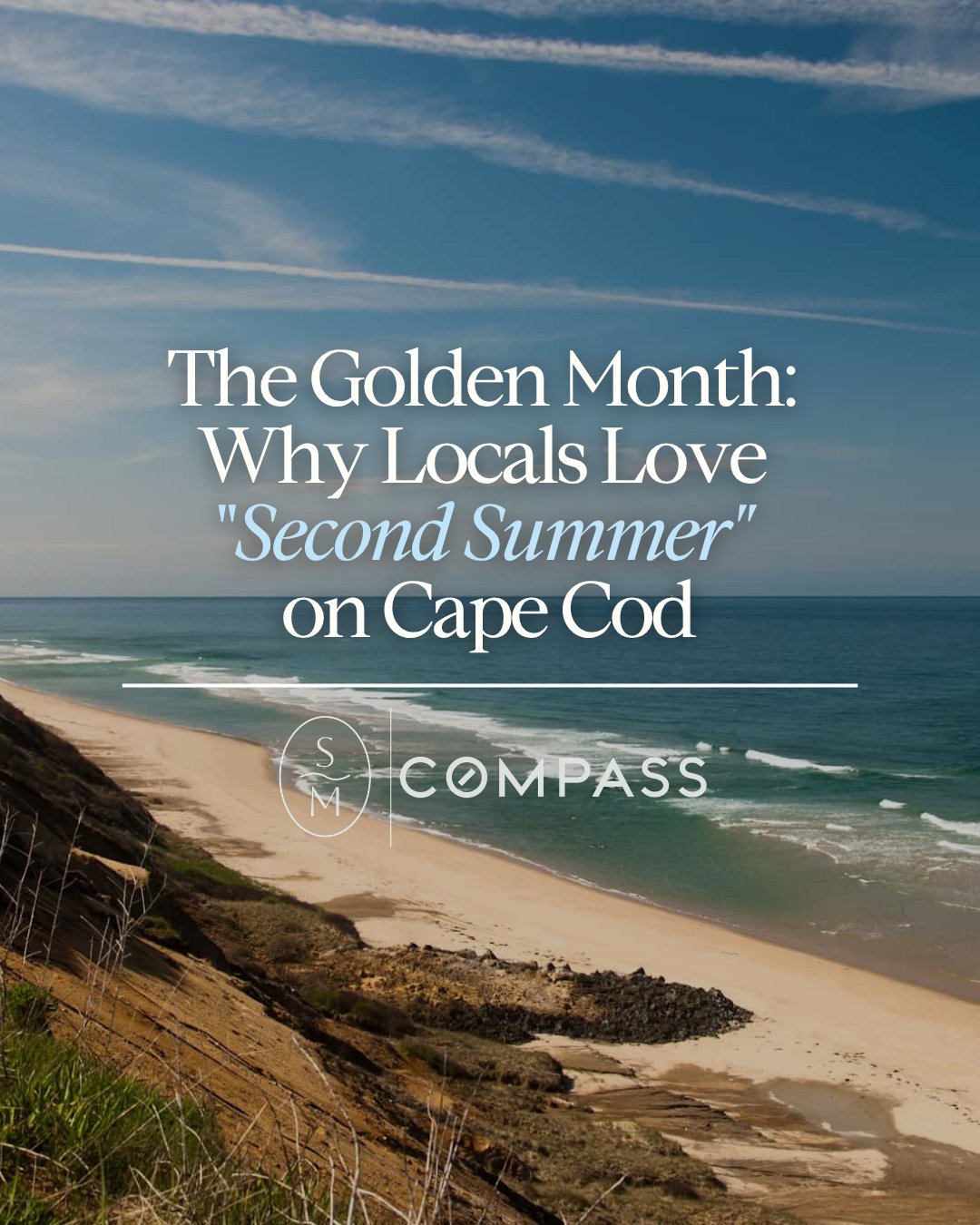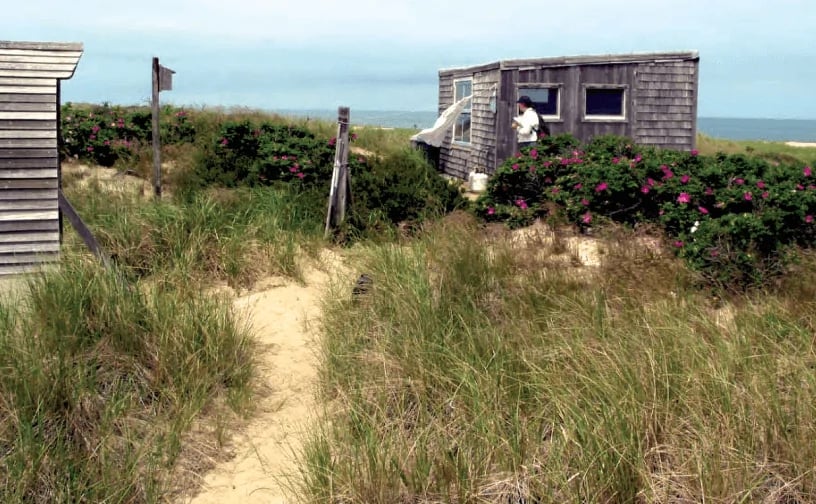
If you stand on the high dunes of Provincetown or Truro and look out at the Atlantic, the view is breathtaking. But beneath those crashing waves lies a hidden landscape of shifting sand that has haunted sailors for over three centuries. This is the Peaked Hill Bars, a notorious stretch of shoreline famously known as a "shipwreck magnet."
A Natural Trap
What makes this area so dangerous? The Peaked Hill Bars are a series of offshore sandbars that are constantly reshaped by the powerful Atlantic currents and fierce storms. For a captain navigating in the 18th or 19th century—without the luxury of modern GPS—these hidden ridges were a death trap. Ships would often find themselves grounded in the surf, miles from safety, at the mercy of the "Graveyard of the Atlantic."
The Ghost of the HMS Somerset
Perhaps the most famous victim of these bars was the HMS Somerset. In 1778, during the Revolutionary War, this massive British man-of-war was driven ashore by a violent storm. While the crew was captured by local militia, the ship itself was swallowed by the sand.
Every few decades, when a particularly strong winter storm strips away the beach, the skeletal remains of the Somerset reappear like a ghost, reminding us of the power of the sea before being buried once again by the shifting tides.
The Birth of the Lifesavers
The frequency of wrecks at Peaked Hill Bars was so high that it led to the creation of the United States Life-Saving Service, the precursor to the modern Coast Guard. The "Surfmen" stationed at Peaked Hill would patrol the dunes in the dead of night, looking for distress flares, ready to launch their rowing boats into some of the most dangerous surf in the world to rescue stranded sailors.
Visiting Today
Today, the Peaked Hill Bars are a protected part of the Cape Cod National Seashore. While you likely won’t see a shipwreck on your morning walk, the energy of the area is palpable. It is a place of rugged beauty, a reminder of the Cape’s deep maritime heritage, and a tribute to the power of the ocean that defines our coastal life.