The Ultimate Ship Shortcut
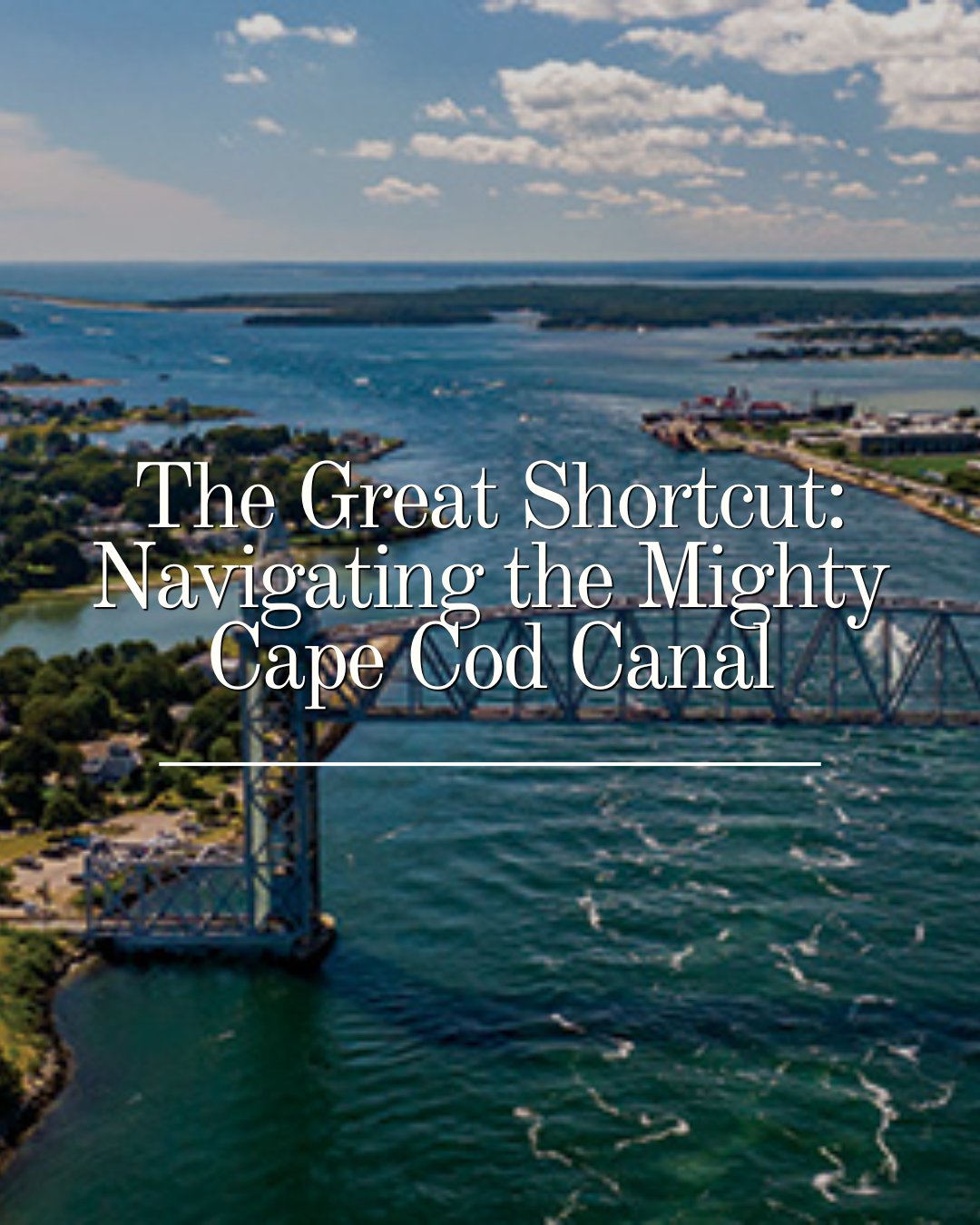
If you’ve ever stood on the banks of the Cape Cod Canal, you’ve seen geography in action. Stretching 17.4 miles to connect Buzzards Bay with Cape Cod Bay, this man-made waterway is more than just a scenic backdrop for a bike ride, it is a critical "ship shortcut" that fundamentally changed the East Coast.
Before the canal opened in 1914, mariners had to navigate the "Graveyard of the Atlantic", the treacherous, shifting shoals of the Outer Cape. By cutting through the isthmus, ships save an average of 135 miles per trip, significantly reducing fuel consumption and travel time.
The Power of the Tide
One of the most thrilling sights at the Canal is the "tide rip." Because of the height difference between the two bays, the water doesn't just move; it sprints.
-
The Velocity: Currents can reach speeds of up to 6 knots (roughly 7 mph), making it one of the swiftest sea-level canals in the world.
-
The Direction: The current reverses direction approximately every six hours, creating a massive, swirling exchange of water that is a spectacle for onlookers and a challenge for captains.
A Legacy of Safety
The Canal wasn't just built for speed; it was built for survival. Historically, the route around the "Bended Arm" of the Cape was responsible for thousands of shipwrecks due to unpredictable storms and fog. During WWII, the Canal served a secondary vital purpose: protecting Allied merchant ships from German U-boats that patrolled the open waters of the Outer Cape.
Life on the Banks
Today, the Canal is managed by the U.S. Army Corps of Engineers and serves as a recreational hub for the region.
-
The Bridges: The iconic Bourne and Sagamore bridges, along with the massive vertical lift railroad bridge, offer 135 feet of vertical clearance to accommodate everything from luxury yachts to massive tankers.
-
Recreation: With over 14 miles of paved service roads, it’s the premier spot for cycling, walking, and worldclass shore fishing.
Whether you’re watching a 600-foot freighter glide past or enjoying a sunset walk, the Canal remains a powerful reminder of how human ingenuity can work in harmony with the sea.