A Land in Motion
If you’ve ever felt like your favorite spot on the beach looks a little different than it did last summer, you aren't imagining things. The Cape isn't just a static piece of land; it is a living, breathing entity that is literally reshaping itself every year.
The "Walking" Beaches
Geologists often refer to our coastline as a "transgressive" shore, but locals just call them "walking beaches." Through a constant cycle of erosion and accretion, the Atlantic Ocean acts as a giant sculptor. Waves and winter storms batter the high glacial bluffs of the Outer Cape, pulling sand into the surf only to redeposit it elsewhere.
This process causes whole sections of the shoreline to migrate. While one beach might lose twenty feet of dunes in a single Nor'easter, that same sand is often used by the ocean to "grow" a spit or reform a dune system just a few miles down the coast.
The Great Sand Engine
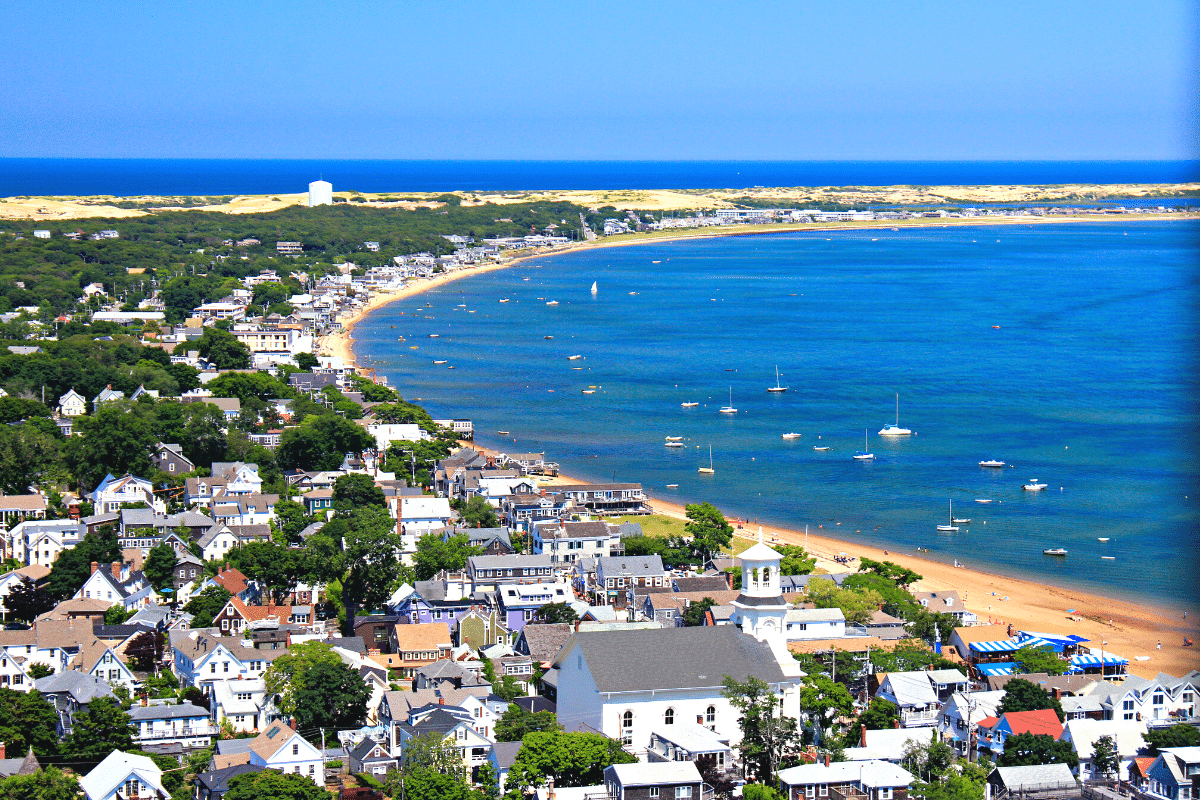
This movement is most visible on the "Great Beach", the stretch of sand running from Chatham to Provincetown.
-
Erosion: Storms carve out the cliffs, sometimes uncovering long buried history (like the HMS Somerset we discussed recently).
-
Migration: The sand moves northward toward Provincetown and southward toward Monomoy, creating new landmasses in real-time.
-
Redefining Property: For homeowners and visitors alike, this movement is a constant reminder of our deep connection and vulnerability to the sea.
Why It Matters
Understanding that the Cape is in a state of constant flux helps us appreciate its rugged beauty even more. It’s a reminder that we don't just live on the Cape; we live with it. The beach you walk today is a unique version that may never look quite the same again.