You want the water, but which Orleans shoreline actually fits the way you live? The answer shapes your daily routine, your boating options, and your long-term costs. From dramatic surf to calm tidal flats, quiet kettle ponds to harbor convenience, Orleans offers four very different waterfront experiences. This guide helps you choose with confidence by comparing lifestyle, access, risk, and the due diligence that matters most. Let’s dive in.
Start with lifestyle fit
Pick the setting that matches how you plan to use your home most days, not just on perfect summer weekends.
- Ocean-facing Nauset: Panoramic Atlantic views and surf energy.
- Bayside Skaket: Sheltered waters, broad tidal flats, family paddling.
- Pond-front: Freshwater swimming and quiet retreats.
- Harbor-adjacent: Walk-to-boat convenience and marina services.
Ocean-facing Nauset Beach
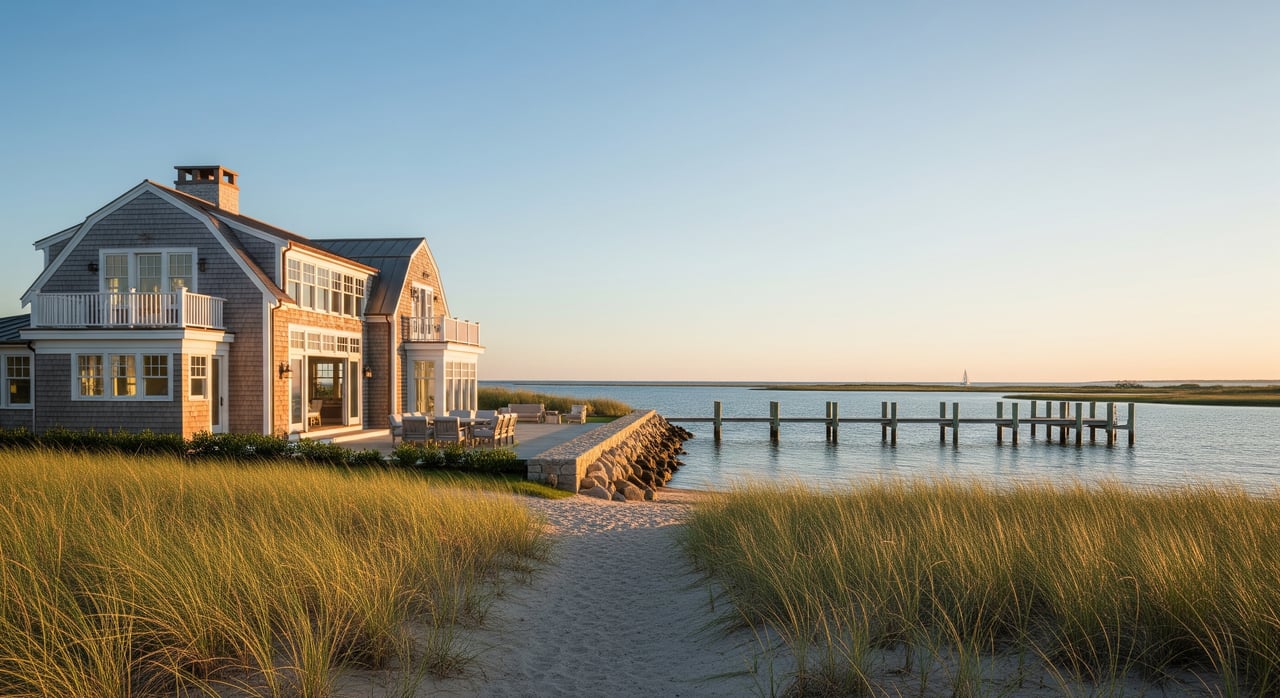
If you want wide horizons, rolling surf, and a prestige setting, Nauset-facing homes deliver an unmatched backdrop. You trade calm water for high-energy conditions, sand movement, and salt spray that increase maintenance. Direct boat use is limited, so you typically rely on nearby harbors for protected moorings. Properties may be in coastal high-hazard zones that drive stricter construction and higher flood and wind premiums.
Best for: View-first buyers who love the beach and surf culture and accept higher insurance, permitting, and upkeep.
Bayside Skaket and Cape Cod Bay
Skaket-facing homes offer calmer water, big sky sunsets, and broad flats at low tide that are great for kayaking, paddleboarding, shellfishing, and small-boat sailing. Shallow-draft boating shines here, but you must plan around tides and channels. Environmental protections are strong, so new docks or dredging face careful review. Shorelines are less wave-exposed than the Atlantic, but they are sensitive to marsh and eelgrass habitats.
Best for: Families and boaters who want easy, calm-water days and can work with tidal schedules.
Pond-front living on Orleans’ kettle ponds
Pond-front homes feel peaceful and intimate, with low-wave shorelines ideal for swimming, paddling, and freshwater fishing. You avoid salt corrosion and ocean-driven erosion, but water quality becomes a top priority. Nutrient loading, invasive plants, and septic performance can impact clarity and safety. Many ponds limit motors and require local approvals for docks or shoreline work.
Best for: Quiet recreation, low-key water fun, and a nature-first setting.
Harbor-adjacent and inlet-front
Near Orleans Harbor or Rock Harbor, you get the closest access to moorings, slips, fuel, and marine services. Navigation is more sheltered, and larger boats are more practical. Expect more activity, seasonal noise, and working-waterfront energy. Permitting for docks and bulkheads is coordinated with the Harbormaster and other coastal regulators.
Best for: Owners who prize boating convenience, services, and social amenities over seclusion.
Boating and access logistics
If you plan to boat, verify the practical details before you fall in love with a view.
- Confirm what you actually get: deeded beach rights, private dock, or access to a mooring field.
- Check tidal range and low-tide depths for bayside properties and inlets.
- Ask about mooring and slip waitlists, seasonal fees, and winter haul-out options.
- Review channel history, dredging needs, and how storms shift sandbars and inlets.
Risk, insurance, and construction
Elevation and flood zone affect both premiums and build options.
- Identify FEMA zone designation and required freeboard for any future renovations.
- Expect higher costs and stricter rules in V-zones or coastal high-hazard areas.
- Compare National Flood Insurance Program and private flood options with your insurance broker.
- Review storm history, prior overwash events, and any completed mitigation.
Permitting and environmental rules
Waterfront changes almost always need approvals. Starting early avoids surprises.
- Local Conservation Commission oversees work in resource areas like beaches, dunes, and wetlands.
- Town building and zoning rules govern setbacks and coastal construction.
- State and federal reviews may apply for docks, dredging, or work below mean high water under the Massachusetts Wetlands Protection Act, Chapter 91, and Army Corps permitting.
- Harbormaster regulates moorings, slips, and harbor rules. Marine habitat and shellfish areas are protected.
Septic, utilities, and water quality
Infrastructure and water quality shape both enjoyment and long-term costs.
- Confirm town water and sewer versus private well and septic.
- Obtain a Title 5 septic inspection and understand any upgrade history or pending requirements.
- For pond-front and estuary settings, review water-quality indicators and any beach or shellfish advisories.
- Track local wastewater planning that may change maintenance needs over time.
Ownership rights and access
Know what you own, what is public, and how neighbors can pass.
- Review surveys that show mean high-water and low-water lines where relevant.
- Understand public trust rights below the high-water line and how public beach access affects privacy.
- Check for deeded dock rights, shared private ways, and recorded rights-of-way for utilities or access.
- Confirm riparian rights for docking and navigation if a dock is essential to your plans.
Shoreline stabilization and erosion
Coastal edges move. Your plan should account for it.
- Document the type and condition of existing structures like seawalls, revetments, or bulkheads.
- Ask for permits and engineering records for any past shoreline work or dune restoration.
- Evaluate signs of erosion or retreat and nearby nourishment programs.
- Price out future maintenance, replacement, or living shoreline options with a coastal engineer.
Maintenance and lifecycle costs
Waterfront ownership comes with recurring chores and capital needs.
- Salt air speeds corrosion and shortens paint and metal lifecycles.
- Docks, pilings, and gangways require periodic inspection and repair; some settings need dredging.
- Plan for seasonal storm prep, winterization, and ice impacts in colder months.
- Budget for higher insurance and specialty contractors.
Due diligence checklist before you offer
- Recent survey showing boundaries, mean high-water line, and easements.
- FEMA flood zone determination and any Letters of Map Change.
- Copies of all coastal and conservation permits and orders of conditions.
- Title report documenting rights-of-way, beach rights, riparian rights, and restrictions.
- Title 5 septic inspection and records of upgrades or required work.
- Dock and mooring permits or Harbormaster documentation for moorings and slips.
- Insurance claim history and any coastal engineering reports.
- Water-quality tests for ponds or estuaries and any town advisories.
Orleans in context
Orleans stands out by offering four distinct water experiences within one town, along with year-round amenities valued by affluent buyers. Oceanfront often commands the highest premiums for unobstructed views and beach frontage, while harbor and well-situated bayside properties see strong demand for boating access. When you compare to nearby towns, weigh not just price but marina services, local rules on rentals and shoreline work, and long-term resilience planning. Your best fit aligns lifestyle, access, and regulatory comfort.
Which Orleans waterfront fits you
- Choose ocean-facing if daily surf, horizon views, and beach life come first and you accept higher risk and maintenance.
- Choose bayside if calm-water paddling, small-boat sailing, and family-friendly flats are your vision and you are comfortable planning around tides.
- Choose pond-front if you want freshwater swimming, quiet recreation, and a focus on septic and water quality.
- Choose harbor-adjacent if turnkey boating access, services, and marina life matter most, even with more activity nearby.
Ready to explore the settings that match your goals? For curated options, smart due diligence, and concierge coordination with local experts, connect with Shane Masaschi for a private consultation.
FAQs
Do I need flood insurance for an Orleans waterfront home?
- If a property lies in a Special Flood Hazard Area on FEMA maps, lenders generally require flood insurance, and costs are often higher in coastal high-hazard zones.
Can I build a dock on a bayside or harbor property in Orleans?
- Dock feasibility depends on habitat sensitivity, tidal depths, and permits from local and state authorities, so engage the Conservation Commission and Harbormaster early.
How do tides affect boating on Skaket and Cape Cod Bay?
- Broad tidal flats and shifting channels mean shallow-draft craft excel, but you must time departures and returns to ensure navigable depth at low tide.
Who owns the beach in front of an ocean-facing Orleans home?
- Ownership typically runs to the mean high-water line, while areas below are subject to public trust rights, and nearby public access points can increase foot traffic.
What septic rules apply to pond-front properties in Orleans?
- Title 5 governs septic systems, and performance is key to protecting freshwater quality, so a current inspection and any needed upgrades should be part of your offer plan.
What should I review before making an offer on a waterfront home?
- Obtain a survey, flood zone determination, all coastal permits, title reports on access and rights, septic records, any dock or mooring documents, insurance history, and relevant engineering or water-quality reports.